

One-stop Injection Molding Service
Plastic Injection Molding Service
With an area of 20 000 square meters, Holly provides high-quality custom plastic injection molding services at a competitive price.
- Custom plastic injection molding for your unique parts
- High volume production runs (1,000+ plastic parts per run)
- Overmolding for more designs and long-lasting tools
- Thousands of plastic materials are available for your parts
Rapid Prototyping Service
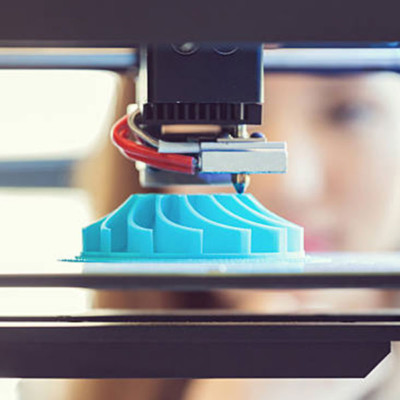
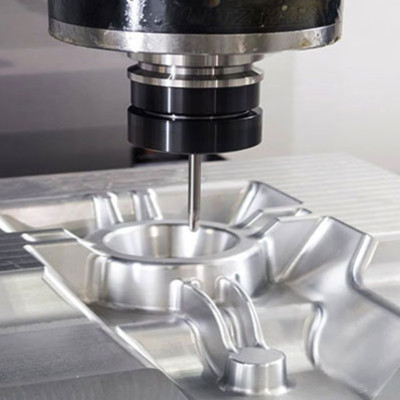
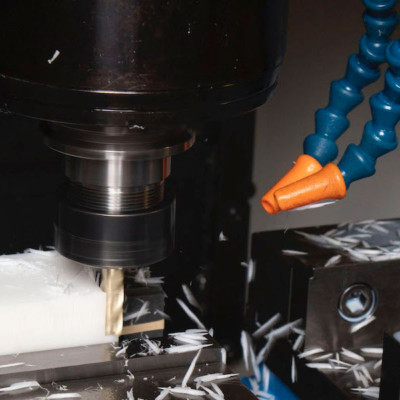
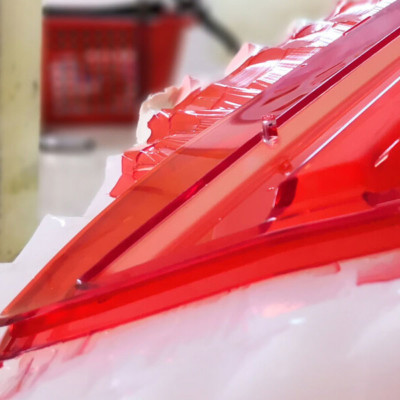
We provides different rapid prototyping service to help you create your part with low risk, including 3D printing, CNC machining, and Vacuum Casting
- Low-Volume Manufacturing (100 parts or fewer
- Low investment in tooling and preparation costs
- Quick turnaround times (3-5 days)
- Low risk to create a part, no material wastage, environment friendly
Featured Injection Molding Services
Different types of Plastic Material Avaialble
ABS(Acrylonitrile Butadience Styrene)
ABS is formed by copolymers of acrylonitrile A, butadiene B and styrene s, and each monomer has different characteristics. ABS is an amorphous material. This determines its low temperature resistance, impact resistance, appearance performance, low creep, good dimensional stability, and easy-to-process ABS material. High surface hardness and good chemical resistance. At the same time, by changing the ratio of the above three components, various properties of ABS can be changed, so ABS engineering plastics have a wide range of applications. Synthetic ABS can be divided into four types: medium impact type, high impact type, super high impact type and heat resistant type.
ABS plastic has high moisture absorption and humidity sensitivity, so it must be dried at 90°C for at least 2 hours before molding. The humidity is controlled below 0.03%.
The suitable processing temperature of molten glue is 190-235℃. The melt viscosity of ABS is medium and needs to be produced under high injection pressure (500~1000bar). High-speed injection molding production effect is better in ABS plastic. The nozzle position of this product is prone to airflow.
The molding temperature of ABS plastic is relatively high, and the mold temperature should be adjusted at 30-70°C. In the production of large-size parts, the half temperature of the fixed mold is about 5°C higher than the half temperature of the movable mold. Mold temperature affects the appearance quality of the product, the lower the temperature, the lower the appearance quality of the product.
PP(Polyethylene)
Polypropylene is a polymer formed by the polymerization of propylene. The composition and structure of polypropylene is crystalline polymer. Among the commonly used plastics, PP is the lightest material, with a density of only 0.90-0.91g/cm³ (less than water). Heat resistance is the best feature of PP among general-purpose plastics. The deformation temperature of PP is 80-110℃, and the product can be processed in boiling water at 100℃. PP has excellent stress crack resistance and good warpage fatigue life.
PP products have the advantages of lightweight, good toughness, and good chemical corrosion resistance. The disadvantages of PP are low dimensional accuracy, insufficient rigidity, poor weather resistance, ease to be damaged by “copper”, ease to shrink, ease to age, brittle, and warp after demolding.
Injection mold process conditions: Drying: If stored properly, it does not need to be dried.
Melting temperature: 220-250℃, not more than 250℃.
Mold temperature: 20-50℃, 40℃ is recommended.
A mold’s temperature is responsible for determining how much crystallization occurs.
Injection pressure: up to 1800bar.
Injection speed: Under normal circumstances, the use of high-speed injection molding can reduce the internal pressure to a minimum.
PS(Polystyrene)
Polystyrene plastic (PS) refers to plastics containing styrene groups on the polymer chain, including ordinary polystyrene (GPPS), high-impact polystyrene (HIPS), expandable polystyrene (EPS) and metallocene Polystyrene (SPS) and so on.
General-purpose polystyrene is a thermoplastic resin, which is a shiny transparent bead or granular solid. The density is 1.04-1.09, the transparency is 88%-92%, and the refractive index is 1.59-1.60. The product has a melting temperature of 150-180°C, a thermal decomposition temperature of 300°C, a heat distortion temperature of 70-100°C, and a long-term use temperature of 60-80°C.
It is soluble in aromatic hydrocarbons, chlorinated hydrocarbons, aliphatic ketones and esters. In addition, it can withstand the influence of certain mineral oils, organic acids, alkalis, salts, low alcohols and their aqueous solutions. The water absorption rate is low, and the mechanical properties and dimensional stability can be maintained in a humid environment. Its optical performance is second only to acrylic resin. Excellent electrical performance, high volume resistivity and surface resistivity, not affected by temperature and humidity changes, and not affected by corona discharge.
Its main disadvantages are brittleness and easy cracking, low impact strength, poor heat resistance, cannot withstand boiling water, and can only be used at lower temperatures and lower loads. The lightfastness and flammability are poor.
It is possible to use the material directly without drying it in injection molding. But in order to improve the quality of the product, it can be pre-dried in a blast furnace at 55-70°C for 1-2 hours. The specific processing conditions are as follows: the barrel temperature is about 200℃, the mold temperature is 60℃80℃, the injection temperature is 170℃-220℃, and the compression ratio is 1.6 ~ 4.0. In order to eliminate internal stress, the molded product can be treated in an infrared lamp or a blast furnace at 70°C for 2 hours.
PE(Polyethylene)
Polyethylene (PE) is a thermoplastic resin polymerized by ethylene. Polyethylene is colorless and non-toxic. And it feels like wax, has low temperature resistance (the lowest temperature can reach 70°C), good chemical resistance, and can withstand most acids and alkalis (not oxidation resistant). Insoluble in general solvents at room temperature, it has excellent electrical insulation and low water absorption.
Polyethylene is a polymer with a variety of structures and properties. It is mainly divided into LDPE, MDPE, HDPE, LLDPE, and performance ultra-high molecular polyethylene and low molecular polyethylene.
Injection conditions:
The temperature settings are as follows: injection nozzle 140-190°C, front part 140-200°C, middle part 130-180°C, screw speed 210-220 rpm, mold temperature 10-70°C, material tube temperature 150-210°C, back pressure 5 ~ 10 kg, injection pressure 360-500 kg / c㎡.
PC(Polycarbonate)
PC material is a widely used engineering plastic and belongs to amorphous plastic. It has good mechanical properties, such as high impact resistance, high tensile strength, excellent bending strength, low shrinkage, low thermal creep, high dimensional accuracy, good heat resistance, low-temperature resistance, etc. It can be used at temperatures of minus 60 to 120 degrees Celsius. The disadvantages are poor fatigue strength, brittleness, low solvent resistance and poor wear resistance.
PC material has excellent characteristics such as high light transmittance, high refractive index, high impact resistance and dimensional stability. Optical lenses made of optical grade polycarbonate can be used in cameras, microscopes, telescopes, optical testing instruments, etc., and can also be used in film projector lenses, copier lenses, infrared autofocus projector lenses, laser beam printer lenses, etc. As well as various prisms, polygon mirrors and many other office equipment and household appliances, its application market is very wide.
The fluidity of the plastic is poor, the mold gating system should be short and thick, a cold feed well is required, the gate size should be large, and the mold temperature should be high. If the temperature of the material is too low, it will cause short shots of the parts, the plastic parts are not shiny, the material temperature is too high, it is easy to overflow, and the plastic parts will bubble. Low mold temperatures result in low shrinkage and elongation, low impact strength, low bending strength, compression strength, and tensile strength. When the mold temperature exceeds 120 degrees Celsius, the plastic parts cool slowly, and the inner wall of the easily deformable viscous mold parts should not be too thick and uniform to avoid sharp corners and chipped materials.
The drying temperature of PC material is 120 degrees Celsius, and the drying time should be more than 4 hours. The mold temperature is usually 80 ~ 120 degrees Celsius. The injection temperature is 280 ~ 320 degrees Celsius. A slower injection speed and a larger injection molding pressure should be used in production.
PA(Nylon-Polyamie)
Polyamide is commonly known as nylon, and its main varieties are PA6, PA66, followed by PA11, PA12, PA610, PA612, PA46 and so on.
Nylon has excellent mechanical strength, heat resistance, low friction ratio, self-lubricating, shock absorption and noise reduction, oil resistance, weak acid resistance, alkali resistance, general solvent resistance, good electrical insulation, self-extinguishing, non-toxic, odourless, good weather resistance, Poor dyeing and other advantages. It has high water absorption, which affects dimensional stability and electrical properties, but the combination of nylon and glass fiber is very good. Fiber reinforcement can reduce the water absorption rate of the resin, allowing it to work in a high temperature and high humidity environment.
Nylon is a crystalline plastic material with high melt temperature, narrow melt temperature range and poor heat resistance. PA does not gradually soften with the increase of heating temperature but softens in a narrow temperature range close to the melting point. Flow occurs as soon as the temperature is reached. PA is easier to absorb moisture. In the molding process of wet nylon, the viscosity drops sharply and the mechanical strength of the silver steel wire mixed with the foam product surface is reduced, so the material must be dried before it can be dried at 80-110 ℃ for 6 hours. However, please note that PA plastics are easy to cause discolouration if they are dried above 90°C.
PA has good fluidity and is easy to overflow, suitable for self-locking nozzles and heating. At the same time, due to the fast condensing speed of the solution, the material should be prevented from clogging the nozzles, runners, and gates and causing product shortages. The mold overflow value is 0.03, and the melt viscosity is more sensitive to changes in temperature and shear force, but more sensitive to temperature. In order to reduce the viscosity of the melt, we should start with the temperature of the barrel. It has a wide range of forming shrinkage, with prominent directions, and it is prone to shrinkage and deformation.
PC/ABS
It is a blend of polycarbonate and ABS. As a result, ABS can be made more heat resistant, impact-resistant, and have stronger tensile strength; on the other hand, polycarbonate can be made cheaper, with lower melt viscosity, improved processing, and with less sensitivity to internal stress and impact strength. There is now flame retardant, glass fiber reinforced, electroplated, and ultraviolet resistant polycarbonate/ABS alloys available. Mainly used in the automotive industry, computers, copiers, electronic and electrical components, etc. PC/ABS alloy materials have been widely used in automotive decorative parts, lampshades, high-temperature electrical enclosures and other fields.
PC/ABS must be dried before processing. The humidity should be less than 0.04%. The recommended drying condition is 90mm 110℃, drying for 2h; the melting temperature should be around 23m ~ 300℃; the mold temperature should be 100℃ within 50 meters; the injection pressure depends on the plastic parts, and the injection speed has no special requirements. , But the higher the more appropriate.
Chemical and physical properties: ABS+PC has the comprehensive characteristics of PC and ABS, such as ABS is easy to process, and PC has excellent mechanical properties and thermal stability. The ratio of the two will affect the thermal stability of the ABS+PC material. The ABS+PC hybrid material also shows excellent flow characteristics. The shrinkage is about 0.5%. ABS+PC is a mixed synthetic modified engineering plastic. Among them, PC is polycarbonate, and ABS is a copolymer of acrylonitrile (A), butadiene (B) and phenylephrine (S). This modified plastic has better performance than simple PC and ABS. Such as improved impact resistance, heat resistance, hardness and so on.
PMMA(Acrylic)
PMMA acrylic plastic properties:
PMMA acrylic plastic is a hard and transparent material with a density of 1.19-1.22g/10cm³. The biggest feature of PMMA acrylic plastic is its high transparency and 92% light transmittance, which is the highest among plastics. The ultraviolet light transmittance is also as high as 75%.
PMMA acrylic plastic has good comprehensive mechanical properties. Its tensile strength, compressive strength, and flexural strength are higher than PE, PVC, PS, but its impact toughness is poor, so it is a hard and brittle material. PMMA has low heat resistance, glass transition temperature of 104℃, melting temperature of 160-200℃, thermal decomposition temperature of 270℃, easy to burn, the flame is blue when burning, the top is white, and it has a strong floral and fruity smell. And the smell of rotten vegetables.
PMMA has good dielectric and insulation properties, excellent arc resistance, and atmospheric aging resistance; PMMA has good chemical stability, can resist dilution of inorganic acids, intermediates, salts, and oils, but is not resistant to concentrated inorganic salts , Hot alkalis, ketones, chlorinated hydrocarbons, aromatic hydrocarbons, etc., will expand and break in alcohols, and have good corrosion resistance to ozone and sulfur dioxide gas.
PMMA acrylic plastic use: widely used in the manufacture of various optical glasses, such as lenses, prisms, mirrors, camera lenses, etc. And can make lamps, lighting equipment, instrument dials, dials, etc. In addition, it can also manufacture aircraft cabin glass, bulletproof glass, optical fiber, etc. In addition, adding fluorescent powder or pearl powder can make beautiful and beautiful products, which can be widely used in advertising decoration and handicraft production.
PVC(Polyvinyl Chioride)
Polyvinyl chloride (polyvinyl chloride) is one of the most widely used plastics. Various additives are usually added to improve the performance of PVC materials, such as stabilizers, lubricants, processing aids, pigments, enhancers, etc.
PVC resin softens at a temperature close to that of its decomposition. It starts to decompose at 140°C, but decomposes faster at 170°C. In order to ensure the normal processing of PVC resin, the two most important process indicators are called decomposition temperature and thermal stability. The so-called decomposition temperature refers to the temperature at which a large amount of hydrogen chloride is released, and the so-called thermal stability refers to the time during which a large amount of hydrogen chloride is not released at a certain temperature (usually 190°C). PVC plastic will decompose for a long time at 100°C unless an alkaline stabilizer is added. If the temperature exceeds 180°C, it will quickly decompose.
PVC has the advantages of flame retardancy, high chemical resistance (resistant to concentrated hydrochloric acid, 90% sulfuric acid, 60% nitric acid, 20% sodium hydroxide), good mechanical strength, and electrical insulation.
The most common uses of PVC plastic materials include PVC profiles, PVC pipe, PVC hard materials and plates, PVC general soft goods, PVC packaging materials, PVC wallboards and floors, PVC consumer goods, PVC transparent sheets, etc. PVC plastic materials, PVC plastic materials , PVC plastic materials: PVC profiles, PVC pipes, PVC hard materials and plates, PVC general soft products, PVC packaging materials, PVC wallboards and floors, PVC consumer goods, PVC transparent sheets, etc.
Process conditions of the injection mold. Drying temperature: 80℃ within 2h, material tube temperature: 160-190℃, mold temperature: 30-60℃, molding shrinkage rate: 0.1-0.5%. The injection pressure can reach 1500bar, and the holding pressure can reach 1000bar. In order to avoid material degradation, an appropriate injection speed is required.
PCM(Polyoxymethylene-Actel/Delrin)
The main properties of POM are its hardness, high steel content, and wear resistance. POM has a low coefficient of friction and good geometric stability, so it is particularly suitable for manufacturing gears and bearings. The properties of POM make it appropriate for use in pipeline equipment (pipe valves, pump housings), lawn equipment, etc.
POM is a tough and elastic material with good creep properties, geometric stability and low-temperature impact resistance. Due to the high crystallinity of POM, the shrinkage rate is high, up to 2% ~ 3.5%. Different reinforcement materials have different shrinkage.
POM has a high heat distortion temperature, the heat distortion temperature of homopolymerization is 136℃, and the heat distortion temperature of copolymerization is 110℃. However, due to the difference in molecular structure, co-formaldehyde has a higher continuous use temperature. Generally speaking, the long-term use temperature of polyoxymethylene is about 100℃. UL specifies the long-term heat-resistant temperature of POM as 85-105°C. Mechanical properties: Since POM is a highly crystalline polymer, it has high elastic modulus, high hardness and rigidity. It can be used for a long time under the condition of -40 ~ 100℃. And it can withstand repeated shocks with little change in strength. Temperature and temperature changes do not greatly affect strength.
Injection molding conditions: POM does not need to be dried before injection molding. The melting temperature range is 190-220°C. By increasing the holding pressure during injection molding, the pressure drop can be reduced. The material will decompose at a high melting temperature. The screw speed should be appropriate, not too high, and the residue should be reduced; the appropriate mold temperature is (80mm 100℃), and the product demoulding temperature is relatively high, so pay attention to the protection work when disassembling the parts. POM should be processed under the conditions of medium injection pressure, medium injection speed, low material temperature and high mold temperature.
PEEK(Poly ether ether ketone)
PEEK plastic is a special engineering plastic, which is a high molecular polymer composed of aryl, ketone bond and ether bond. It has many properties such as high temperature resistance, strong flame retardancy, and good chemical stability, so it is often used in construction machinery and aerospace products.
PEEK plastic has the advantages of strong heat resistance and high temperature resistance. The positive high temperature resistance of PEEK plastic is 260°C, and the heat distortion temperature is 160°C. If 30% glass fiber is added for modification, the heat distortion temperature can be increased to 280-300℃.
PEEK plastic has excellent electrochemical properties. Even in the high frequency range, the dielectric index and dielectric loss of 10HZ plastic are very small. The results show that the dielectric point constant under the PVA environment is only 3.2, and the dielectric loss is only 0.02.
It has excellent chemical stability and can withstand acids and alkalis. Almost any chemical reagent except concentrated sulfuric acid still maintains good stability at high temperatures.
It has excellent hydrolysis resistance and can be used for a long time even in a steam environment at 200-250°C.
In addition, PEEK plastic also has excellent flame retardancy, melt fluidity, thermal stability, corrosion, high strength and easy formability.
PEEK plastic is widely used in chemical industry, electronic equipment, automobile industry, aerospace and other fields because of its excellent high temperature resistance, heat resistance, high height and processability.
PPS(Polyphenylene Sulfide)
This material is formally known as polyphenylene sulfide. It is famous for its thermal stability and is widely used in special engineering plastics after filling and modification.
PPS is a special high engineering plastic with excellent properties such as high temperature resistance, flame retardant, corrosion resistance, weather resistance, dimensional stability, and excellent electrical properties. The transformed PPS is widely used as special engineering plastics, mainly in the fields of electronics and electrical appliances, such as transformer skeletons, high-frequency coil skeletons, plugs, sockets, junction frames, contactor drum plates, and various precision parts.
Heat resistance is PPS plastic: the heat distortion temperature exceeds 260℃, which is one of the highest temperatures of thermoplastic engineering plastics. The long-term use temperature is 220-240℃, and the short-term temperature can reach 260℃.
Chemical resistance of PPS plastics: At present, we cannot find any solvent that can dissolve PPS below 200°C, and has high corrosion resistance to inorganic acids, alkalis, and salts.
When exposed to high temperatures, high humidity, and high frequency, PPS plastic exhibits high surface resistivity, low breakdown voltage, low dielectric constant, and dielectric loss tangent, making it an excellent insulation material. After modification, it can also be made into a high-strength material with good electrical conductivity.
PPS plastic mechanical properties: strong rigidity, high surface hardness, excellent creep resistance and good fatigue resistance.
Injection conditions: The material is dried at 130-150°C for 3 hours, the barrel temperature is 280-330°C, 40%GF+PPS 300mm, 350°C, the mold temperature is 120-180°C, the injection pressure is 50-130V MPA, and the injection speed is medium.
Product Design for Injection Molding – Ultimate FAQ Guide
Q1. What is product design?
Product design as a noun refers to a series of technical work from creating a new product design task to designing a product sample. Its work content is to formulate product design tasks and implement the project requirements in the design tasks (including product performance, structure, specifications, models, materials, internal and external quality, life, reliability, conditions of use, technical and economic indicators, etc.).
As a verb, product design is the creation of new products for a company to sell to customers. Through the process of generating new products, a wide range of coefficients are generated and ideas are efficiently proposed and developed.
Q2. What are the principles of product design?
1. Intimacy: Intimacy means putting all related things together. When you put related things together, you can get a more comprehensive, functional product, and even have unexpected results.
2. Alignment: In a design, all elements should be placed in a specific way. There are certain connections between each element, between individual elements, and between elements as a whole. The result is a harmonious and beautiful experience.
3. Contrast: The core purpose of the comparison is to form a primary and secondary relationship, that is, the information passed first, the information passed later, etc.
4. Repeat: Repetition, as a very important element in the design, makes the whole design look more consistent and forms a unified design expression.
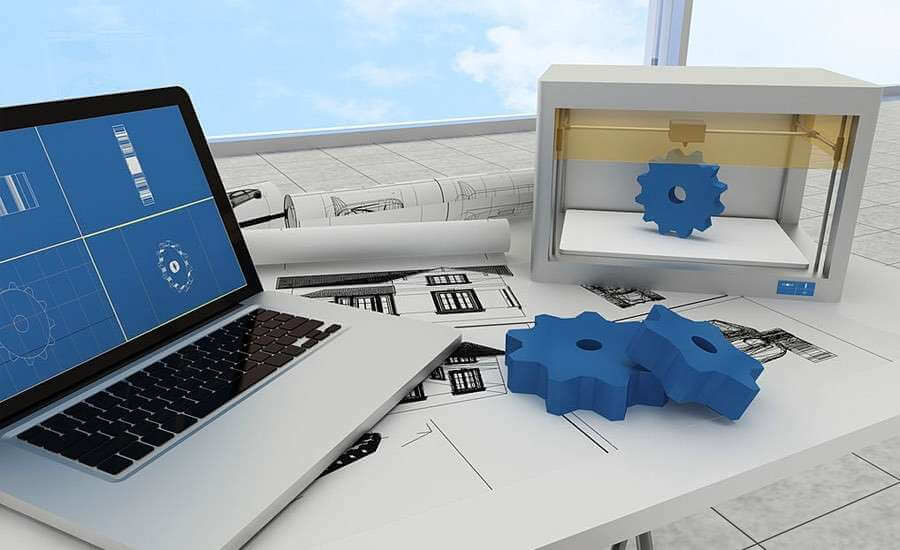
Q3. What is the importance of product design?
In the product design stage, people need to comprehensively determine the following issues: the entire product strategy, appearance, structure, function, so as to determine the layout of the entire production system. Therefore, product design is of great significance.
If the design of the product lacks manufacturability, the equipment will need to be adjusted and replaced. To make matters worse, people will have to spend a lot of money on materials and labour. On the contrary, good product design not only reflects functional advantages, but also facilitates manufacturing, reduces production costs, and thus improves the overall competitiveness of products. Many companies that are good at winning in market competition pay great attention to the details of product design and design products with low cost and distinctive features.
Q4. What are the requirements for product design?
There are 4 requirements in total.
1. Social development needs
This is beneficial to buy time to plan, select and concentrate on the introduction of the world’s advanced technologies and products. It is conducive to filling the technical gaps as soon as possible, cultivating talents, and obtaining economic benefits.
2. Economic requirements
3. Requirements.
4. Manufacturing process requirements
The most basic requirement of product design is that the product structure should conform to the principle of craftsmanship. That is to say, under certain production scale conditions, people can produce parts that meet the quality requirements in an economical way. This helps to design product structures that minimize labour in product manufacturing, reduce product weight, reduce material consumption, and shorten production cycle and manufacturing costs.
Q5. What are the economic benefits of product design?
One of the main purposes of new product design is to meet the ever-changing demands of the market and obtain better economic benefits. Good design can solve all kinds of problems that customers care about. For example, what is the function of the product? How does it feel? Is it easy to assemble? Can it be reused? At the same time, good design can save energy and raw materials, improve labour productivity, and reduce costs. Therefore, three issues need to be considered when designing the product structure.
- We have to consider the performance and quality of the product.
- Raw materials and manufacturing costs must be considered.
- It is also important to consider whether the product can be mass-produced.
Q6. What are the usage requirements for product design?
For a product to be recognized by society and obtain economic benefits, it must proceed from the needs of the market and users and fully meet the requirements for use. It is the minimum requirement for product design. The use needs mainly include the following items:
Safe to use: when we design products, we must take effective measures to prevent and protect against various unsafe factors during use. At the same time, the ergonomics of the product should also be considered in the design.
Reliability of use: Reliability refers to the probability that a product will work properly for a specified period of time and under intended conditions of use. Reliability is about safety. Products with low reliability will bring inconvenience to users, even cause danger to use, and damage the reputation of enterprises.
Easy to use: This is especially important for civilian products (such as household appliances, etc.).
Q7. What is the portfolio design of product design?
Combination design, also known as modular design, is to unify the functions of parts and design them into interchangeable modular parts with different uses or different performances to better meet the needs of users. Modular components are now widely used in various product designs. Furthermore, they have grown from producing the same type of product to produce a wide variety of products. Designing a series of modular components is at the heart of compositional design.
Therefore, it is necessary to start with functional units. That is, how many components should be included in several modular assemblies, how many modular assemblies are required for each combined design, and so on.
Q8. What is computer-aided design for product design?
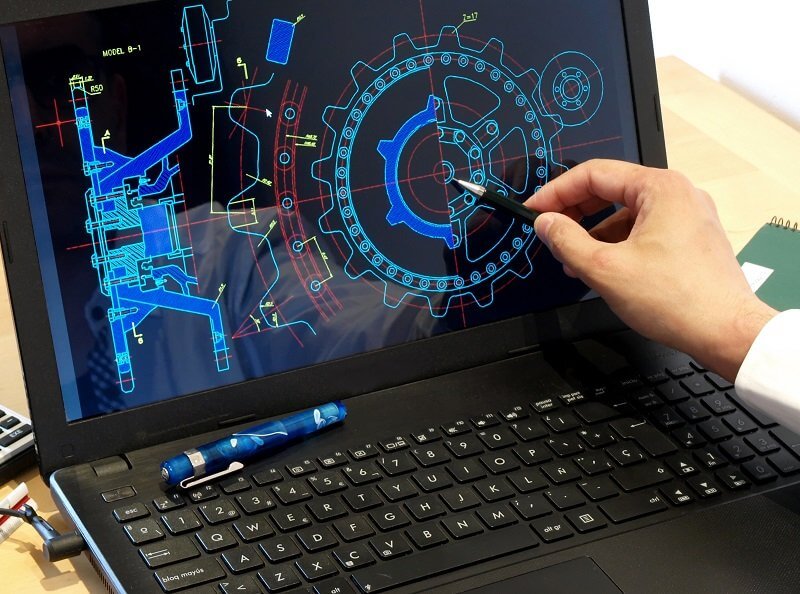
Computer-aided design is the use of computers to complete product and process design. The main function is drawing and design calculation. Design calculations are based on engineering and scientific laws, such as the mechanical design with computers and calculations with optimization techniques to optimize specific performance parameters or goals for the internal structure of products.
Computer graphics are done by people through graphics processing systems. In this system, people only need to input the shape, size and position of the required graphics, and the computer can automatically complete the graphic design. In addition, commonly used computer-aided design software are Alias, Rhino, Autocad, Pro/E, CATIA, Solidworks, UG NX, CAXA, etc.
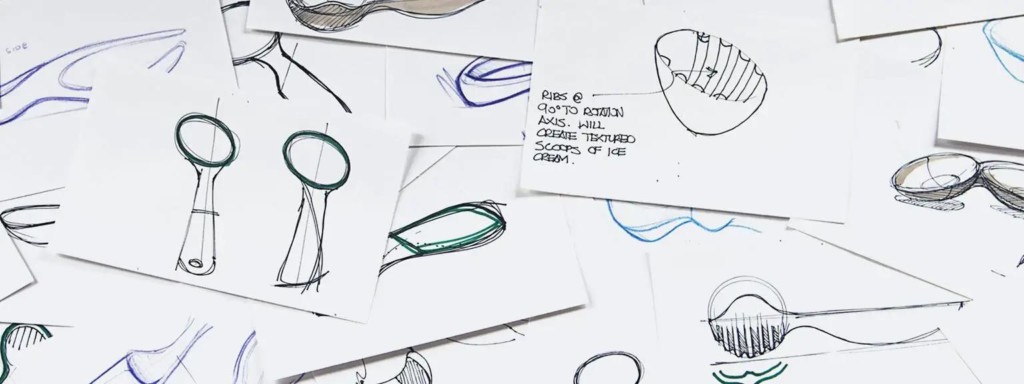
Q9. What is object-oriented product design?
In the product design phase, manufacturability and assembly designs are the negotiation and communication between designers and manufacturing engineers. This kind of teamwork is very important. Here are some reasons for your reference.
First, it avoids a wide variety of products, which can result from the traditional “I design, you do” design process.
Second, it helps prevent potential assembly problems and results in additional costs (such as manufacturing costs, material costs, labor costs, machine costs, etc.).
Last but not least, it avoids delays in the delivery of parts.
Q10. What are the basic principles of product design?
There are many basic principles of product design.
And enumerates some common principles: demand principle, information principle, innovation principle, system principle, optimization principle, inheritance principle, benefit principle, time principle, simplification principle, quantitative principle, etc.
Q11. What are the requirements principles for product design?
The functional requirements of a product are derived from requirements. Product is the most basic starting point for all designs including part design and must meet objective requirements. Failure to consider objective requirements will result in wasted parts and excess inventory. Objective needs are based on time and place, so it is variable. It is the basis for designing upgraded products. There are two types of objective needs: explicit and implicit.
The development of accurate requirements can lead to continuous product improvement, upgrades, updates and replacements; The development of hidden needs can lead to inventions and new products.
Q12. What are the information principles and innovation principles of product design?
1. Information principles
The information in the design process mainly includes market information, scientific and technological information, technical testing information, and processing technology information. Designers need to have an accurate and reliable grasp of various information related to product design. Using this information, product planning, conceptual design, and detailed design can be properly guided to continuously improve the part design.
2. Innovation principles
The bold innovation of designers helps to break through the constraints of various traditional concepts and conventions and create various mechanical products with unique principles and novel structures.
Q13. What are the service areas of product design?
Product design is a comprehensive product of knowledge from various disciplines such as art, culture, history, engineering, materials, and economics. Product design mainly coordinates the relationship between products and people and realizes the requirements of product ergonomics and humanistic aesthetics, including ergonomics, appearance design, etc.
Responsible for the selection of technology types, coordinating the relationship between different technical units such as product interior, product and natural environment, product technology and production process. In short, the service field of product design is quite extensive.
Q14. What is the first phase of product design?
Concept development and product planning are the first stages of product design. During the concept development and product planning stages, information on market opportunities, competitiveness, technical feasibility and production needs are integrated to define the framework for the new product.
This includes the conceptual design of the new product, target market, expected performance levels, investment needs and financial implications. Companies can also use small-scale experiments to validate concepts and opinions before deciding whether to develop a new product. Experimentation can include sample making and soliciting opinions from potential customers.
Q15. What is the second stage of product design?
The detailed design phase is the second phase of product design. During the detailed design phase, once the plan is approved, the new product project will move to the detailed design phase. The basic activities of this phase are the design and construction of product prototypes and the development of tools and equipment for commercial production. Detailed product engineering revolves around the “design-build-test” cycle.
The required products and processes must be conceptually defined and embodied in a product prototype (either in a computer or in the form of a physical entity using hypermedia technology), and then the product is tested in simulated use. If the initial shape does not reflect the expected performance characteristics, engineers should seek design improvements to make up for the difference and repeat the “design-build-test” cycle. The end of the product detailed engineering phase signifies that the final product design meets the specified technical requirements and is signed off for approval.
Q16. What is the third stage of product design?
The small-scale production stage is the third stage of product design. During the small-scale production phase, individual components processed and tested on production equipment are assembled and tested in the factory as a system.
In small-scale production, a certain number of products should be produced and the ability of the new or improved production process to be tested for commercial production should be tested. During this phase of the product development process, the entire system (design, detailed design, tooling equipment, parts, assembly sequence, production supervision, operators and technicians) is brought together.
Q17. What is the last phrase of product design?
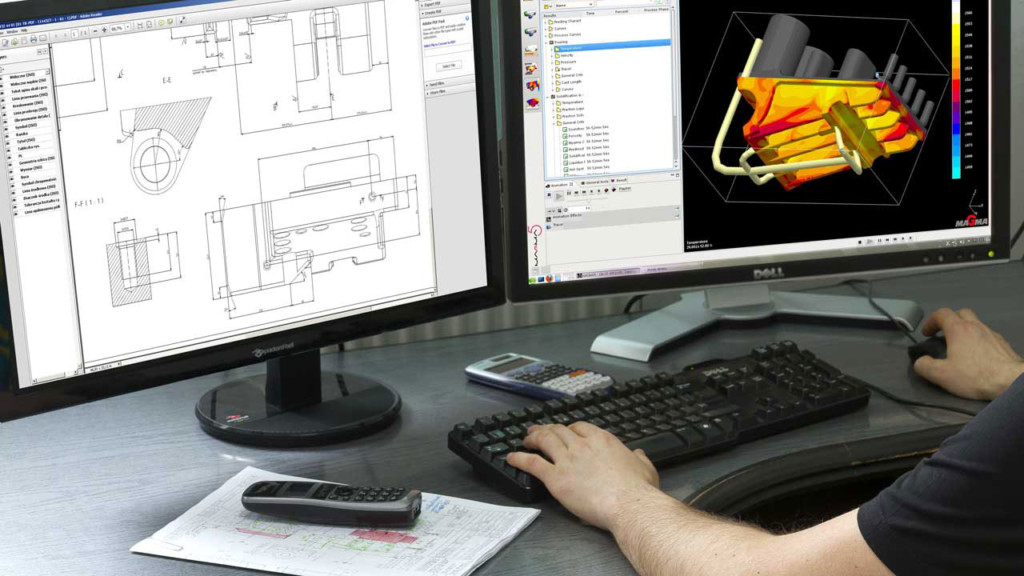
The final stage of product design is incremental production. It is also a stage for small-scale production. In incremental production, production starts at a relatively low output level; When an organization has greater confidence in its (and its suppliers’) ability to sustain production and to sell those products in the marketplace, production of parts begins to increase accordingly.
Q18. What are the perceptual factors of product design?
The design of perceptual tools should make full use of the achievements of modern ergonomics and aesthetics to scientifically increase the perceptual factors in product design.
1. Reasonably design the relationship between people and tools to reflect the sensitivity of the product. For example, the handle is designed so that the pressure-insensitive palm and the area between the thumb and index finger can withstand the impact of force to avoid numbness and tingling in the fingers.
2. Select the correct modeling materials to increase the sensory components of the product. Here are two tips for choosing materials that come into direct contact with people. First, we do not only have to carefully evaluate the strength and wear resistance of the material. Second, we also evaluate the distance between the selected material and the emotional relationship between people.
3. Study the aesthetic methods of modern people and express the sensibility of products. The beauty of a product can reflect the inner beauty produced by a reasonable human-machine relationship and the outer beauty produced by the appearance of the product during use. The external beauty of products and people’s aesthetics are changing. The rich connotation of “beauty in shape” also contains changing aesthetic factors. In work, the laws of beauty such as proportion, scale, contrast and balance are coordinated with the visual image of the product and transformed into aesthetic factors. Therefore, understanding the changes in the aesthetics of modern people is helpful to grasp the perceptual factors in the product.
4. Through the research on the relationship between life phenomena and things, explore the reasons and performance methods of product sensitivity. The beauty of an object is usually reflected in whether the shape of the object is full of vitality, and the vitality of the shape of the object is actually a form of leakage of the essence of the object.
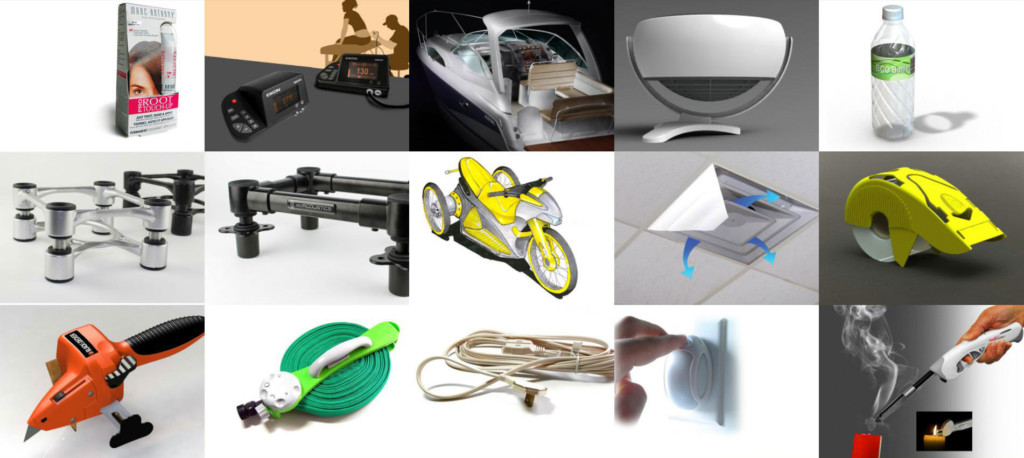
Q19. What is the industry background of product design?
From the perspective of industrial form, the industrial design service industry can be reflected in three categories: internal design service departments, industrial design consulting companies, and individual studios of industrial designers. The first two are mature products that the design industry has developed to a certain extent. In China, most small and medium design firms are still in the studio stage.
Large-scale low-end competition has emerged in some industries, which also limits the design industry to a certain extent. On the other hand, in Finland, industrial design has a very broad field, from forestry machinery to technological products. The average proportion of Finnish companies using the industrial design is 41%, compared to 80% in traditional industries. All Finnish export companies have their own designs.
According to the “Finnish Human Resource Market Status” issued by the Finnish Chamber of Commerce and Industry, the population of Finland engaged in industrial design is about 45,000, while the total population of Finland is about 5.435 million, which means that designers in Finland account for 0.828% of the total population.
Compared with developed countries, the overall level of product design in my country is relatively backward. Product design companies do not pay enough attention to this, and the public’s understanding of product design is also biased. As a “world factory”, China’s independent design and brand capabilities are still weak, and there is a lack of corresponding capital investment and industrial support policies.
Q20. Which software can be used for product design?
Product design software can be divided into two types: one is two-dimensional software (also known as plane software), and the other is three-dimensional software. Graphics software includes Adobe Photoshop (PS), Coreldraw (CDR), Illustrator (AI), InDesign (ID), AutoCAD, etc. 3D software includes UG, Rhino, Keyshot, Cinema4D, 3Dmax, Pro/Engineer (Pro-e), Solidworks, etc. When we do product design, we can choose the software we are good at.